Carpet Cleaning in W4

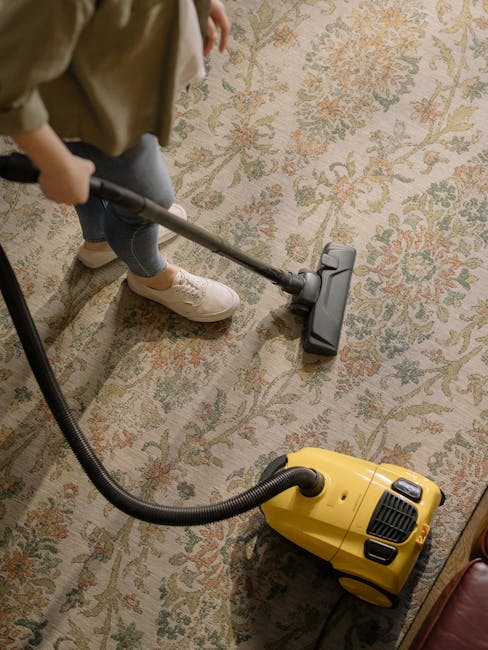
Our carpet cleaning in W4 focuses on refreshing fitted carpets and loose rugs with a practical, fibre-aware approach. The work is suited to homes and business premises that need a deeper clean than routine vacuuming can provide, whether the aim is to lift everyday soiling, tackle traffic lanes or improve the general appearance of a room. We keep the service straightforward: assess the material, choose the appropriate method and carry out the clean with care for the carpet’s construction.
Different carpets respond differently to moisture, agitation and cleaning products, so the service is never a one-size-fits-all process. Synthetic pile, wool blends and delicate woven rugs all need their own handling. We aim to remove grime from the fibres rather than just moving it around, while paying attention to the pile direction, backing and drying requirements. If you are comparing options, fibre care and method choice matter as much as the finish itself.
To help us prepare a sensible quotation, it is useful to know the carpet type, the approximate room count and whether there are stains, pet odours or high-traffic areas that need extra attention. A short description of the property and access is usually enough to begin. If you already know what you need, you can request a quotation once you have looked through the service details below.
How the carpet cleaning service works
We begin by matching the cleaning approach to the fibres and the condition of the carpet. In many cases, the work involves careful pre-treatment, followed by controlled agitation and a cleaning stage designed to break down dirt held below the visible surface. This is especially helpful where dust, tracked-in soil and general dullness have built up over time. A sensible process should improve the look of the carpet without leaving it over-wet or rough to the touch.
For busy rooms, the focus is often on the traffic areas first, because these are where the pile tends to flatten and darken earliest. Hallways, lounges and stairs may need a slightly different rhythm from bedrooms or guest areas. We also pay attention to edges, thresholds and the spaces around fixed furniture where vacuuming alone often misses embedded debris. If you want to plan ahead, clear access and a simple room list can make the visit easier to organise.
As a guide to what is commonly addressed, the service can include:
- pre-inspection of fibre type and visible wear
- spot treatment for selected marks
- deep cleaning of fitted carpets
- attention to traffic lanes and entry points
- careful work around skirting edges and room corners
Rugs, upholstery and related cleaning
Alongside fitted carpet work, some customers also need support with loose rugs and soft furnishings. These items can collect the same dust and everyday marks as carpets, but the materials and construction vary widely. A wool rug, a synthetic runner and a fabric sofa do not all need the same treatment, so the method has to suit the item rather than the other way around. That way, cleaning is more likely to be even, controlled and appropriate for the fabric.
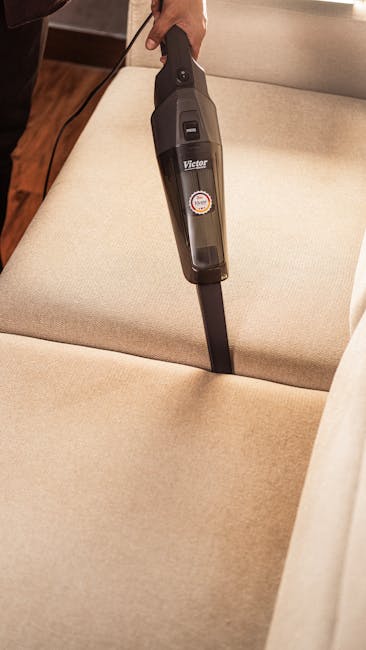
Where it is suitable, we can extend the clean to rug cleaning, sofa cleaning and other upholstery surfaces that benefit from the same careful attention to fibres and staining. These services are often chosen together because shared living spaces tend to gather soil on both floors and seating. For a broader refresh, upholstery cleaning can help bring chairs, cushions and other fabric pieces back into a tidier condition without treating them as if they were all identical.
The best results usually come when the cleaning plan reflects the item’s age, weave and finish. Delicate pieces may need lighter treatment, while hard-wearing family-use fabrics often need a more thorough deep clean. If you are unsure which items should be included, it is sensible to list them in order of priority rather than trying to describe every mark in detail. One clear note about the fabric is often enough to start the conversation.
Deeper cleaning for built-up dirt and stubborn areas
Some carpets need more than routine maintenance. When a floor has picked up years of general soil, repeated spills or a persistent dull appearance, a deeper clean can be more appropriate than a light refresh. This kind of work is useful when vacuuming no longer restores the pile’s appearance and the carpet needs a more comprehensive treatment to loosen compacted debris from the fibres.
For properties that need a more intensive approach, deep cleaning can be used as a broader option where carpets form part of a larger cleaning requirement. It is often chosen when the space has seen heavier use, such as a busy household or a room used throughout the day. The benefit is not only visual; a thorough clean also helps remove residue that can make fibres feel tired or sticky underfoot. Early planning is helpful if a room contains large items that need moving.
It is also worth distinguishing between visible staining and general soiling. Some marks are localised and can be treated as spots, while others are part of an overall change in colour caused by everyday wear. Both require careful handling, but they are not solved in quite the same way. Where possible, knowing whether the issue is isolated or widespread helps set a realistic scope for the work and keeps the quotation process clear.
Stains, spots and everyday marks

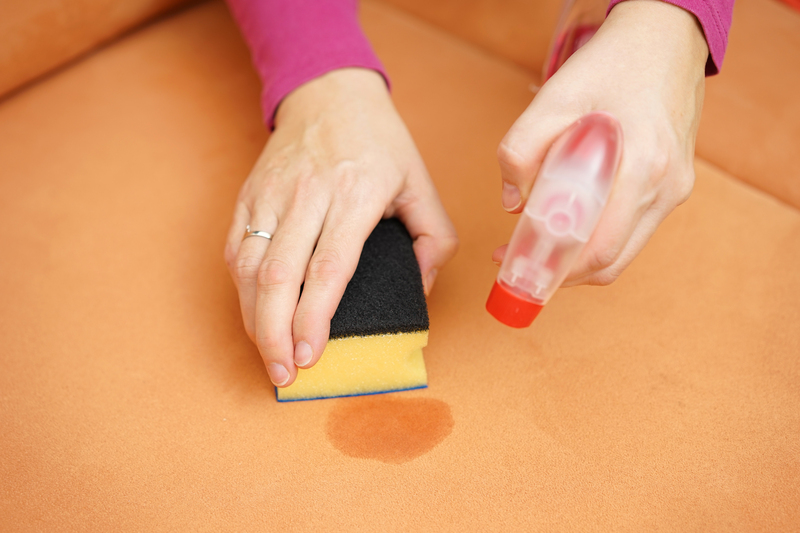
Carpets often show the signs of normal life before they show obvious damage. Drink marks, tracked mud, food splashes and darkened pathways around seating can all alter the look of a room. Spot treatment is most effective when it is matched to the likely cause of the stain and the fibre type, rather than being approached as a single universal fix. That is why careful assessment matters before any products are used.
Some marks respond well to pre-treatment and controlled cleaning, while others may be more stubborn because they have been left to settle into the pile. In those cases, the aim is to improve the appearance as much as the material allows, without pretending every mark can be removed completely. A truthful approach is better for the carpet and better for expectations. If a stain is old, discoloured or has been affected by previous cleaning attempts, that should be taken into account from the outset.
When preparing for this sort of work, two useful details are what caused the mark and how long it has been there. Even if you do not know exactly, a rough idea helps. A simple message about the room, the stain and the fibre type is usually enough to start. For larger properties, it is often best to group similar issues together so the clean can be planned in a logical order.
Commercial carpets, offices and shared spaces
Carpets in offices, reception areas and other shared environments need a cleaning approach that respects both appearance and practical use. Footfall is often concentrated in entrances, corridors and seating zones, so these spaces can show wear faster than private rooms. The aim is to reduce the look of embedded dirt, keep the space presentable and support a more orderly environment for staff, visitors and customers.
Where business premises need floor care alongside other interior cleaning, options such as office cleaning and office cleaners can sit alongside carpet work in a broader maintenance plan. For smaller commercial units or shared workspaces, the focus is usually on practical cleanliness, not overcomplication. Scheduling often depends on access, opening hours and the amount of furniture in the way, so a clear room or area list makes the job easier to plan.
Commercial carpet cleaning can also be useful in places where a first impression matters, such as waiting rooms or client-facing areas. In these settings, the condition of the flooring contributes to how orderly the room feels. Regular care can help preserve the carpet’s appearance for longer, while a more thorough clean can be reserved for periods when the space needs a proper reset. The important point is choosing the level of service that matches the use of the room.
About W4

W4 is a west London postal district centred on Chiswick, with parts of Gunnersbury and surrounding streets forming the wider area. The district sits beside a notable stretch of the Thames and includes a mix of residential roads, commercial frontages and historic public spaces. Chiswick itself has long been associated with riverside settlement and later suburban growth, and the area still shows that layered development in its streets, terraces and civic buildings. Turnham Green forms a familiar open space within the district, while Chiswick House and its landscaped gardens remain one of the most prominent architectural and historic landmarks nearby. The house, completed in the 18th century, is a key example of Palladian influence in Britain and is surrounded by grounds that continue to attract visitors. The district also includes a number of conservation areas and older residential streets that reflect phases of expansion from the Georgian and Victorian periods into the 20th century. Chiswick High Road acts as a practical spine for shops, cafés and services, and the local environment combines neighbourhood life with stronger commuter links than many suburban areas. Transport connections, river walks and smaller green spaces all contribute to the character of the district, while churches, schools and community facilities help anchor everyday activity. Although W4 is often identified with Chiswick, it also extends into adjoining parts of west London, so the district is best understood as a varied postcoded area rather than a single uniform place. That mixture of housing, retail and open space gives it a distinct urban rhythm, with quieter side streets set close to busier main routes and the Thames corridor.
Choosing the right clean for each carpet
Different carpets need different levels of intervention, and the right choice depends on how the room is used as well as what the carpet is made from. A hallway runner may need focus on wear patterns, while a bedroom carpet may mainly need a freshen-up after routine use. More delicate rugs can demand a lighter touch than robust synthetic pile, and that distinction is important if you want a good finish without unnecessary stress on the fibres.
There are times when a lighter maintenance clean is enough, and other times when the carpet clearly needs a more detailed service. The difference often comes down to the amount of soil carried in by shoes, pets, children or frequent guests. If a carpet has become tired but is not heavily stained, the main goal may be to restore brightness and texture. If it has several problem areas, then spot treatment and deeper work may need to happen together. One-off cleaning can suit households or premises that need a fuller reset rather than a routine schedule.
In practice, the best choice is the one that fits the fibre, the level of wear and the way the space is used. There is no need to overstate what a clean can do; careful work, the right products and sensible expectations are usually more valuable than dramatic promises. If you are comparing options, think first about whether you need maintenance, stain-focused treatment or a deeper restorative clean.
Preparing for a quotation
A quotation is easier to prepare when the basic details are clear. The most useful information is usually the type of property, the approximate number of rooms or items, and any areas that need special attention. If you have carpets on stairs, in open-plan rooms or in awkward spaces around furniture, it helps to mention that too. You do not need to write a long brief; a concise summary is enough to begin.
It can also help to note whether the work is for domestic or commercial premises, and whether the clean needs to be arranged around opening hours, family routines or other access requirements. Where a room includes more than one fabric surface, such as carpet and sofa seating, it is worth listing those together so the overall scope is understood. For pricing and related information, pricing and quotes is the best place to look before sending a request.
If you are ready to move forward, please contact us for a quotation. If not, a plain-text note to request a quotation is still a sensible next step once you know the rooms, items and any stains that matter most. Keeping the request simple makes it easier to assess the work and respond with a figure that suits the job in hand.
Care, access and other useful details
Good carpet cleaning also depends on practical matters around access and preparation. Light furniture may be moved in some cases, but it is best not to assume that every item can be handled in the same way. Large wardrobes, fragile ornaments and fixed fittings need to be treated differently from chairs or coffee tables. A sensible plan leaves room for the carpet to be cleaned properly without risking damage to the room’s contents.
Drying time is another factor to think about. While different methods and fibre types behave differently, carpets should be left with enough time and airflow to settle after cleaning. That may mean keeping foot traffic down for a while or allowing access to certain rooms to remain limited until the surface is ready. If you are arranging work in a busy property, it is useful to choose a time when the cleaned areas can be left undisturbed for a period.
For customers who want a broader interior refresh, related services such as domestic cleaning or house cleaning may be useful alongside carpet care, depending on the room and the wider cleaning goal. Those services address different tasks, but they can sit comfortably beside floor cleaning when a property needs a fuller tidy-up rather than a single isolated job.
Other cleaning options for the same property
Sometimes carpet cleaning is part of a wider list of tasks. A property may need floors, soft furnishings and hard surfaces addressed in the same visit, especially if the aim is to improve the overall presentation of a home or business. Where that applies, it can be helpful to think about the order of work, with the most soil-prone areas and the most delicate items handled in a practical sequence.
Related options such as after builders cleaning, end of tenancy cleaning and hard floor cleaning may also be relevant when carpets are only one part of a broader refresh. These services are not the same as carpet cleaning, but they can complement it if the property requires a more complete finish. Choosing the right combination is usually simpler when you separate what is on the floor from what is on the walls, worktops and fixtures.
The aim is always to match the scope of the work to the condition of the property. A small amount of careful carpet care may be enough in one setting, while another space may call for a fuller sequence of cleaning tasks. If you are unsure which route makes sense, start with the surfaces that matter most and build the plan around them rather than trying to cover everything at once.