Deep Cleaning in W4: A Smarter Way to Refresh Your Home
If you are looking for deep cleaning in W4, you are likely ready for more than a quick tidy-up. A proper deep clean goes beyond surface dusting and routine chores. It reaches into the places that are easy to miss, helping restore freshness, improve hygiene, and make your home feel noticeably better to live in.
In a busy area like W4, homes often need regular attention because of everyday traffic, changing weather, family life, and work schedules. Deep cleaning in W4 is designed to tackle built-up grime, hidden dust, and neglected spots that standard cleaning can overlook. Whether you live in a flat, a family house, or a shared property, a detailed cleaning session can make a major difference.
Many people also choose deep cleaning in W4 before moving, after renovations, after hosting guests, or simply when a home starts to feel tired. It is not just about appearance. It can also support a healthier environment, reduce allergens, and create a more comfortable space for daily life.
What Deep Cleaning in W4 Really Means

Deep cleaning in W4 means a thorough, room-by-room cleaning process focused on areas that are often missed during regular weekly cleaning. Instead of only wiping visible surfaces, a deep clean targets built-up dirt, hidden corners, and high-use touchpoints.
This kind of service is especially valuable in busy homes where everyday cleaning may keep things looking acceptable but not truly clean. Over time, grease in kitchens, soap residue in bathrooms, dust behind furniture, and grime on skirting boards can collect and affect the look and feel of the property.
A well-planned deep cleaning in W4 usually includes detailed attention to floors, appliances, fixtures, cupboards, sinks, tiles, doors, switches, and other hard-to-reach places. The result is a cleaner, fresher, and more hygienic environment that feels reset rather than just maintained.
Why Deep Cleaning in W4 Is Worth It
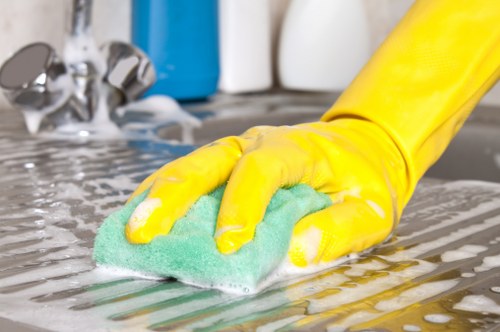
There are many reasons homeowners and tenants choose deep cleaning in W4. One of the biggest is simple peace of mind. When a home is deeply cleaned, it can feel lighter, brighter, and easier to manage afterward.
Another important reason is hygiene. Kitchens and bathrooms especially can collect bacteria, grease, limescale, and moisture-related buildup. Deep cleaning in W4 helps address these problem areas properly, reducing unpleasant odors and improving overall cleanliness.
It can also be helpful for those with allergies or sensitivities. Dust, pet hair, and debris often hide in upholstery, corners, vents, and under furniture. A detailed clean can reduce these irritants and improve indoor comfort.
Additional benefits include:
- A fresher-smelling home
- Better appearance of floors, fixtures, and surfaces
- Reduced buildup of grime over time
- More effective maintenance between visits
- A more welcoming environment for family and guests
When to Book Deep Cleaning in W4
Common situations where it makes sense

Knowing when to arrange deep cleaning in W4 can save time and reduce stress. Many people book this service during key life moments or when their home needs extra attention beyond routine cleaning.
Some of the most common times include moving in or out of a property, preparing for an event, after a renovation, seasonal refreshes, or when a home has not had a detailed clean for several months. These situations often create more dust, debris, and hidden mess than normal cleaning can handle.
It is also useful after illness, during allergy season, or whenever you notice that basic tasks are no longer enough. If your kitchen feels greasy, your bathroom feels dull, or dust keeps returning quickly, a deep cleaning in W4 may be exactly what is needed.
Signs your property may need a deep clean
- Dust appears again soon after cleaning
- Floors or corners look dull or sticky
- Appliances have visible residue
- Bathrooms show limescale or soap buildup
- Rooms feel less fresh than usual
Deep cleaning in W4 is also a smart option before selling or renting a property. A spotless, well-maintained home leaves a much better impression and may help support a smoother move. Even if you are staying put, a deep clean can feel like a reset for the entire household.
Another reason people invest in deep cleaning in W4 is to stay on top of seasonal changes. Spring and autumn are popular times for this type of work because homes often collect extra dust, mud, and moisture-related mess during those periods. In winter, indoor living increases, so surfaces and fabrics can hold more buildup than usual.
For landlords, tenants, and property managers, deep cleaning in W4 can also be a practical way to keep spaces in strong condition. Regular deep cleaning supports the longevity of surfaces and furnishings, helping prevent long-term staining and wear.
What Is Included in Deep Cleaning in W4?
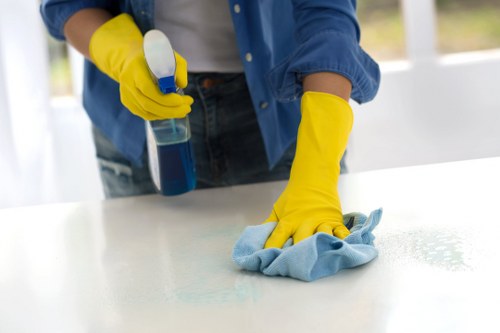
The exact checklist for deep cleaning in W4 may vary depending on the property and the level of work required, but it usually covers many more details than standard cleaning. The goal is to restore the home at a deeper level, focusing on grime removal and hygiene.
In kitchens, deep cleaning often includes wiping cabinet fronts, cleaning appliance exteriors, scrubbing sinks, removing grease from splash zones, cleaning worktops, and addressing food residue in hard-to-reach places. In some cases, ovens, hobs, and extractor areas receive extra attention as well.
Bathrooms often need special care. Deep cleaning in W4 may involve descaling taps, polishing tiles, scrubbing grout, cleaning showers and screens, sanitising toilets, and removing soap residue around sinks and bathtubs. These are areas where buildup can form quickly if left untreated.
Typical areas covered
- Kitchen surfaces, sinks, and splashbacks
- Bathroom fixtures, tiles, and shower areas
- Skirting boards, doors, and handles
- Light switches and high-touch points
- Floors, edges, and under-furniture zones
- Window sills, frames, and accessible glass surfaces
- Dusting of vents, shelves, and decorative items
Living areas and bedrooms also benefit from a detailed approach. This might include vacuuming upholstery, dusting behind furniture, wiping wardrobes, cleaning mirrors, and removing buildup from corners and trims. Deep cleaning in W4 often makes the whole property feel more polished and comfortable, not just visibly cleaner.
Hallways, staircases, and entry areas are commonly overlooked in everyday routines, yet they can collect some of the most noticeable dirt. These spaces receive a lot of foot traffic, so a detailed clean helps keep dust and marks under control and improves the overall look of the home.
Some services may also offer add-on options such as inside oven cleaning, fridge cleaning, carpet treatment, or upholstery refreshes. Depending on your priorities, these extras can make deep cleaning in W4 even more effective and tailored to your property’s needs.
How Deep Cleaning in W4 Differs from Regular Cleaning
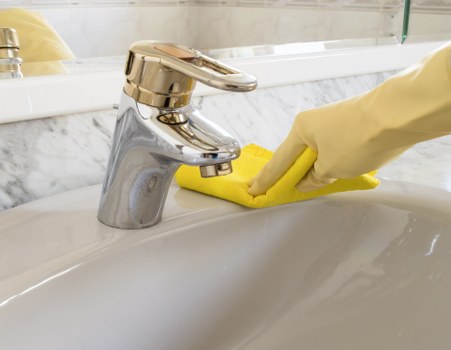
It is easy to assume that regular cleaning and deep cleaning are similar, but they serve different purposes. Regular cleaning is about keeping a home tidy and manageable on a routine basis, while deep cleaning in W4 is about tackling built-up dirt and reaching the places that ordinary cleaning may not cover.
For example, a weekly clean may include vacuuming, wiping counters, and sanitising visible surfaces. A deep clean goes further by addressing residue behind appliances, grime around taps, dust on skirting boards, and the buildup that settles into corners, fittings, and fixtures.
This difference matters because surface cleanliness can hide deeper problems. A home may look neat at first glance, yet still contain dirt in hidden areas. Deep cleaning in W4 helps remove that hidden buildup and creates a stronger foundation for regular upkeep afterward.
Simple comparison
- Regular cleaning: routine maintenance and surface tidying
- Deep cleaning: detailed cleaning and grime removal
- Regular cleaning: faster and more frequent
- Deep cleaning: longer, more intensive, and more thorough
This is why many households use both. Regular cleaning keeps things in order, while deep cleaning in W4 provides the reset that makes ongoing maintenance easier. When both are combined, your home stays cleaner for longer and requires less effort to manage.
Another key difference is the level of equipment and technique used. Deep cleaning often requires stronger attention to detail, specialised products, and more time spent on each room. The process is more systematic, making sure problem areas do not get skipped.
If you are trying to decide whether your home needs a routine clean or a deep clean, think about how long it has been since every corner was properly addressed. If the answer is “too long,” then deep cleaning in W4 is probably the right choice.
Preparing Your Home for Deep Cleaning in W4
How to get the best results
To make the most of deep cleaning in W4, a little preparation can help. While the process is designed to be thorough, clearing clutter and communicating priorities can make the visit smoother and more effective.
Start by removing personal items, important documents, and fragile belongings from surfaces that need attention. This allows the cleaning team to work efficiently and focus on the right areas. If there are spots you want prioritized, make a quick list so nothing important is missed.
You may also want to separate laundry, empty bins, and make sure sinks or countertops are not overcrowded. Small preparations like these can save time and help the deep cleaning in W4 deliver a more complete result.
Helpful preparation tips
- Clear clutter from countertops, tables, and floors
- Put away valuables and fragile items
- Note any problem areas such as stains or buildup
- Make sure access is available to all rooms
- Share special requests in advance
It is also useful to check whether you want add-on services such as appliance cleaning or carpet treatment. Planning ahead ensures the appointment matches your expectations and gives your property the attention it needs.
For households with pets or children, some extra preparation may be helpful. Moving pet beds, toys, or baby items out of the cleaning zones can make the process more efficient. Deep cleaning in W4 is often more successful when the home is ready to be worked on without obstacles.
If you live in a busy household, consider scheduling the service at a time when the property can remain undisturbed for a while. That gives floors and surfaces time to dry or settle properly, allowing you to enjoy the results without rushing back into routine activity.
Ultimately, preparation is about making the most of the service. A clear, accessible home helps deep cleaning in W4 produce a more detailed and satisfying outcome.
How Often Should Deep Cleaning in W4 Be Done?
The right frequency for deep cleaning in W4 depends on the size of your home, how many people live there, whether you have pets, and how heavily the property is used. There is no single rule that fits everyone, but many homes benefit from a deep clean every few months.
For busy families or shared homes, it may be helpful to book deep cleaning more often because dirt and clutter build up faster. Smaller homes or properties with light use may need it less frequently, though seasonal deep cleans are still a smart idea.
Some people like to pair deep cleaning in W4 with the change of seasons. This can help manage dust in spring, reduce indoor buildup in autumn and winter, and keep the home feeling refreshed year-round.
A practical schedule to consider
- Every 3 months: high-use households or pet-friendly homes
- Every 6 months: average family homes and flats
- Seasonally: ideal for general freshness and maintenance
- As needed: after renovation, illness, parties, or moving
Regular deep cleaning in W4 also makes everyday chores easier. Once the heavy buildup is removed, dusting, mopping, and wiping surfaces usually take less effort. That means your normal cleaning routine becomes more manageable and less time-consuming.
It is also worth remembering that some areas of the home need deeper cleaning more often than others. Kitchens and bathrooms usually gather dirt fastest, while bedrooms and storage spaces may need attention at longer intervals. A flexible plan can help keep everything in good condition without overdoing it.
If you manage a rental property or plan to move, deep cleaning in W4 may be needed before each changeover. This helps create a better experience for the next occupant and supports a stronger presentation of the space.
Whatever schedule you choose, consistency is the key. Deep cleaning in W4 works best when it is part of an ongoing approach rather than a one-off emergency response.
Choosing the Right Deep Cleaning Service in W4
What to look for
When selecting a provider for deep cleaning in W4, look for a team that understands detail, hygiene, and the specific needs of different property types. A good service should be able to explain what is included and adapt the work to your home.
Experience matters because deep cleaning is more than simply spending time in a property. It requires an organized process, attention to detail, and the ability to target different rooms effectively. You want a service that treats kitchens, bathrooms, and living spaces with equal care.
It is also helpful to choose a provider that uses clear communication and practical planning. This ensures the work matches your expectations and supports the best possible outcome. In short, good deep cleaning in W4 should feel tailored, efficient, and thorough.
Questions worth asking before booking
- What is included in the deep clean?
- Can the service be adjusted to my property?
- Are add-ons available for appliances or carpets?
- How long is the appointment likely to take?
- What areas should I prepare in advance?
Choosing well can make a big difference to the final result. The right deep cleaning in W4 service saves time, reduces hassle, and leaves your home feeling genuinely refreshed.
Contact us today to discuss your needs and arrange a cleaning plan that suits your property, schedule, and priorities. Book your service now if you are ready to enjoy the benefits of a cleaner, healthier home.
Deep Cleaning in W4 for Different Property Types
One of the strengths of deep cleaning in W4 is its flexibility. Different homes have different needs, and a good service can adapt to flats, houses, rental properties, and shared living spaces.
For apartments and smaller flats, the focus may be on maximizing freshness in compact spaces where dust and clutter are more noticeable. Kitchens, bathrooms, and entry areas often need the most attention in these settings.
For larger family homes, deep cleaning in W4 may involve more time on multiple bathrooms, stairs, hallways, and high-traffic zones. In these properties, it is especially important to address hidden buildup in corners, behind furniture, and around trims.
Property-specific needs
- Flats: compact but high-use spaces
- Family homes: more rooms and more traffic
- Rental properties: presentation and hygiene matter
- Shared homes: shared kitchens and bathrooms need extra care
Deep cleaning in W4 can also help with older properties, where dust and wear may collect more easily around fittings, decorative details, and less accessible surfaces. In newly renovated spaces, it can remove leftover construction dust and residues that regular cleaning might not fully address.
In every case, the goal remains the same: create a cleaner, safer, and more comfortable environment that feels properly cared for.
In a busy neighborhood and a fast-moving lifestyle, deep cleaning in W4 gives homeowners and tenants a practical way to regain control of their space. It transforms the home from simply “clean enough” to properly refreshed and hygienic.
Whether you need a seasonal reset, a move-in clean, or a detailed service after months of buildup, deep cleaning in W4 is a worthwhile investment in comfort and peace of mind. It supports better hygiene, improves appearance, and makes everyday life feel easier.
If your home is ready for a fresh start, do not wait until the buildup becomes overwhelming. Book your service now and experience the difference that a professional deep cleaning in W4 can make.