Bedford Park upholstery cleaning tips near Chiswick House
If you live in Bedford Park and your sofa, armchair, or dining chairs are starting to look a bit tired, you are not alone. Upholstery picks up daily life quietly: fingerprints on the armrests, crumbs in the seams, a faint mark from last Sunday's tea, maybe a pet nap that left the fabric looking flat. These Bedford Park upholstery cleaning tips near Chiswick House are written to help you clean smartly, avoid damage, and know when a careful DIY refresh is enough versus when a deeper professional clean makes more sense.
Near Chiswick House, homes often have a mix of older interiors, period features, and modern family life. That means upholstery can vary hugely in fabric type and condition. One approach will not suit everything. In this guide, you will find practical methods, common mistakes to avoid, a simple step-by-step process, and a few local-minded tips that make the whole job less stressful. Truth be told, upholstery cleaning is one of those jobs that looks simple until you actually start.
- Why it matters
- How it works
- Key benefits
- Who needs this
- Step-by-step guidance
- Expert tips
- Common mistakes
- Tools, resources and recommendations
- Law, compliance and best practice
- Options and comparison
- Real-world example
- Practical checklist
- Conclusion
- Frequently asked questions
Why Bedford Park upholstery cleaning tips near Chiswick House Matters
Upholstery is one of the busiest surfaces in the home, even though it often gets the least attention. Sofas, headboards, window seats, and dining chairs absorb oils from skin, dust, crumbs, pet hair, and airborne particles. Over time, that build-up can dull the fabric, flatten the pile, and make the room feel less fresh. If you are near Chiswick House, where many properties are well cared for and often styled with quality furniture, keeping upholstery in good condition can make a big difference to the whole home.
There is also a practical side. A small stain left too long can become a permanent mark, and a damp-cleaning mistake can create water rings or leave a musty smell. Nobody wants that. Good upholstery cleaning is less about scrubbing harder and more about choosing the right method for the material. That is especially true with delicate fabrics, mixed fibres, velvet finishes, or older pieces that may not tolerate aggressive cleaning.
Another reason this matters is hygiene. You may not always see what settles into the fabric, but you can feel it. A sofa can look fine from across the room and still hold dust in the cushions or odours in the padding. If your home is busy, has children, or you live with pets, upholstery maintenance becomes part of keeping the whole place comfortable.
Expert summary: the best upholstery cleaning routine is usually gentle, regular, and fabric-aware. If you do the small jobs early, you avoid the big ones later. Simple as that.
How Bedford Park upholstery cleaning tips near Chiswick House Works
Before you clean anything, identify the fabric and the cleaning code if you can. This is the part people skip, and it is often where mistakes begin. Upholstery fabrics may be natural, synthetic, blended, textured, or treated. Some can be safely cleaned with water-based solutions, while others need low-moisture or solvent-style care. If there is a label underneath cushions, check it first. If not, do a discreet spot test in a hidden area.
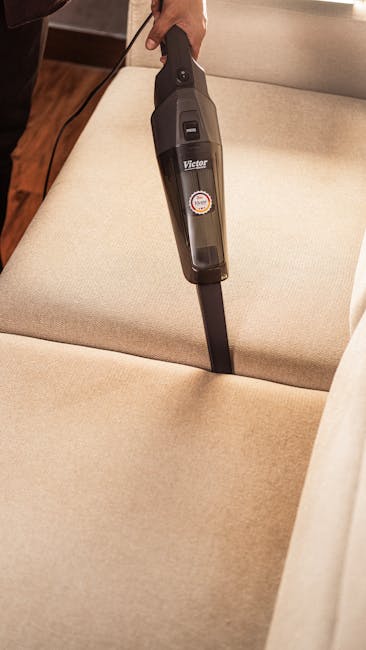
The basic principle is straightforward: remove dry soil first, treat marks carefully, then clean the fabric using the least aggressive method that can still do the job. For most upholstery, vacuuming properly is the starting point. A crevice tool helps get into seams and tucked edges where grit likes to hide. After that, you can move to targeted stain treatment or a light overall refresh.
Professional upholstery cleaning usually follows a similar logic, just with better equipment and more control. It may involve inspection, fibre testing, pre-treatment, agitation, extraction or low-moisture techniques, and a drying plan. If you are comparing services as part of a wider home reset, you may also find it helpful to look at sofa cleaning, rug cleaning, or broader deep cleaning support so the job feels coordinated rather than piecemeal.
One small but important point: upholstery cleaning is not just about removing stains. It is also about controlling moisture. Too much liquid can travel into the padding and take ages to dry. That is how odours linger. That is how trouble starts.
Key Benefits and Practical Advantages
Done well, upholstery cleaning offers more than a cleaner-looking room. It helps protect the furniture itself, which is often more economical than replacing it early. That is especially relevant in Bedford Park homes where quality pieces are usually chosen for comfort and style, not just convenience.
- Better appearance: colours look brighter, fabric texture returns, and the room feels fresher.
- Longer furniture life: embedded dirt can wear fibres down; regular care slows that process.
- Improved comfort: clean upholstery feels better to sit on, plain and simple.
- Odour control: food smells, pet odours, and everyday stale air are easier to reduce.
- Healthier indoor environment: removing dust and allergens from soft furnishings can help the home feel cleaner overall.
- Better value from your furniture: a well-kept sofa or chair stays usable and presentable for longer.
There is also a less obvious benefit: confidence. When your upholstery looks clean, the rest of the room tends to feel more under control. You notice it when guests visit, but you also notice it on an ordinary Tuesday evening when the kettle is on and the room just feels calmer.
Who This Is For and When It Makes Sense
This advice is useful for homeowners, tenants, landlords, renters, and small businesses with upholstered seating. If you are near Chiswick House and juggling everyday wear and tear, you may already know the signs that it is time to act. A faint odour after the windows have been shut for a while. A seat cushion that looks darker than the others. A coffee mark that never quite disappeared. Or maybe you have just moved furniture and realised the side facing the wall is much dustier than expected. Funny how that happens.
It also makes sense in a few specific situations:
- Before hosting visitors and you want the room to feel properly fresh.
- After a spill where speed matters and drying should be managed carefully.
- At the change of season when dust and allergens build up.
- After builders or redecorating when fine dust settles on everything. If that sounds familiar, after builders cleaning can be relevant alongside fabric care.
- Before moving out when presenting the property neatly matters.
- As part of regular home maintenance for households with pets or children.
If your upholstery is antique, heavily patterned, or made from a delicate fabric, it may be worth stopping after light vacuuming and spot treatment unless you are very sure of the fibre type. Better cautious than sorry. That old wingback chair has probably seen enough drama already.
Step-by-Step Guidance
Here is a practical, low-risk process you can follow for most everyday upholstery cleaning tasks.
- Check the fabric care label. Look for cleaning codes or manufacturer instructions. If the item is old and unlabeled, test carefully.
- Vacuum thoroughly. Use a soft brush attachment first, then a crevice tool for seams, tufts, and under cushions.
- Remove loose debris. Crumbs, pet hair, and grit should be gone before any moisture touches the fabric.
- Spot test your cleaner. Apply a small amount to a hidden area and wait for colour transfer, texture change, or a water mark.
- Treat stains gently. Blot rather than rub. Work from the outside of the stain inward to stop spreading.
- Use minimal moisture. A lightly damp cloth is often enough for surface marks. Do not soak the fabric.
- Allow controlled drying. Open windows if appropriate, switch on a fan, and avoid sitting on the furniture until fully dry.
- Fluff and reset cushions. Once dry, re-shape cushions so the fabric settles evenly.
A simple rule helps here: if a stain is reacting badly, stop. Pushing harder usually makes it worse. Sometimes the smartest move is to pause, let the fabric dry, and decide whether specialist cleaning is the better route. Not glamorous, but sensible.
For households that like to keep on top of a full home routine, upholstery care sits nicely alongside domestic cleaning or a one-off spring refresh through one-off cleaning. It is all part of the same rhythm, really.
Expert Tips for Better Results
Small adjustments often make the biggest difference. In our experience, the best results usually come from patience rather than force.
- Vacuum before you see obvious dirt. Dirt works into fibres long before it becomes visible.
- Clean high-contact zones more often. Armrests, headrests, and seat fronts take the most wear.
- Rotate cushions regularly. It evens out wear and helps the upholstery keep its shape.
- Use white cloths for blotting. Coloured cloths can transfer dye, especially when damp.
- Work in good light. Late afternoon light near the window often shows marks that overhead lighting hides.
- Handle odours at the source. If something has soaked into the padding, surface cleaning may only treat the symptom.
- Keep products simple. Mild, fabric-safe solutions are usually safer than strong mixes with unknown ingredients.
Here is one of those little human truths: if you are tired or rushing, upholstery is not the job to force. That is when people over-wet the fabric or scrub too hard because they want it "done now". The sofa does not care about your schedule. Annoying, but true.
If you want a deeper reset for a whole room, matching upholstery care with carpet cleaning can make the room feel coherent rather than half-clean. Clean seat, clean floor, same story.
Common Mistakes to Avoid
Most upholstery damage from cleaning comes from avoidable errors. A few are so common they are almost classics.
- Rubbing stains aggressively: this can spread the mark and roughen the fibres.
- Using too much water: excess moisture can seep into foam and cause longer drying times.
- Skipping the vacuum: dirt turns into slurry once it mixes with liquid.
- Using the wrong product: strong cleaners can bleach, ring, or distort fabric texture.
- Ignoring the care label: the label exists for a reason, even if it looks a bit boring.
- Cleaning only the stain, not the panel: this can leave a visible edge or tide mark.
- Sitting on it too early: pressure on damp fabric can flatten fibres and reintroduce soil.
One more thing. People often forget the underside of cushions and the gaps between them. That is where crumbs breed tiny chaos. Give those areas a proper vacuum. Your future self will thank you, perhaps quietly, but still.
Tools, Resources and Recommendations
You do not need a cupboard full of gadgets to care for upholstery properly. A small, sensible kit is usually enough.
| Tool or item | Best use | Why it helps |
|---|---|---|
| Vacuum with upholstery attachment | Routine dust and debris removal | Reaches seams and avoids abrasive brushing |
| Soft microfibre cloths | Blotting and light wiping | Gentle on fabric and useful for spot treatment |
| Clean white towels | Absorbing moisture after cleaning | Helps you see whether colour is transferring |
| Soft-bristle brush | Loosening surface dirt on suitable fabrics | Can lift fibres without harsh scraping |
| Mild fabric-safe cleaner | Targeted stain treatment | Reduces risk compared with strong household chemicals |
| Fan or good ventilation | Drying support | Helps prevent lingering damp smells |
If you are deciding whether to clean a piece yourself or call in a specialist, look at the fabric, the size of the stain, and the age of the item. A small fresh mark on a modern synthetic sofa is a very different job from a wine stain on a pale linen chair. No contest, really.
For situations where upholstery is only one part of the job, it may be useful to explore house cleaning or home cleaners if you want the whole property handled in one visit. If you are comparing providers, pricing and quotes can help set expectations before anything is booked.
Law, Compliance, Standards, or Best Practice
For upholstery cleaning in a home setting, the main standards are really best-practice standards: use products as directed, keep moisture under control, and avoid unsafe mixtures. In the UK, reputable cleaning work should also be carried out with attention to health and safety, insurance, and clear customer communication. That is especially relevant if anyone is working in your property rather than you doing it yourself.
If you are hiring help, it is sensible to check that the business is transparent about public-facing policies, insurance, and how they handle complaints or payments. You are not being difficult by asking. You are being careful. There is a difference. A decent provider should also explain what can and cannot be cleaned safely, rather than promising miracles on every fabric under the sun.
At home, the practical best practice is simple:
- follow the care label or manufacturer advice where available
- avoid over-wetting delicate materials
- keep children and pets away until fully dry
- test products before full application
- store cleaning products safely and separately
If sustainability matters to you, it is also reasonable to think about water use, product choice, and waste handling. For a broader look at this, recycling and sustainability is a useful mindset to bring into the home. Little things add up.
Options, Methods, or Comparison Table
Different fabrics and situations call for different methods. Here is a simple comparison to help you decide what fits best.
| Method | Best for | Pros | Watch out for |
|---|---|---|---|
| Dry vacuuming | Routine maintenance | Safe, quick, low risk | Won't remove set-in stains |
| Spot cleaning | Fresh spills and isolated marks | Focused and efficient | Can leave rings if overdone |
| Light damp cleaning | Compatible synthetic fabrics | Good for surface refresh | Moisture control is critical |
| Low-moisture professional cleaning | Delicate or busy households | Faster drying, more even results | May not suit every fibre type |
| Deep extraction cleaning | Heavier soil and odour build-up | Thorough and effective | Not suitable for all fabrics |
Honestly, most readers will benefit from a blend of routine vacuuming and occasional targeted cleaning. Deep cleaning every week is usually overkill. Better to be steady than dramatic.
Case Study or Real-World Example
Picture a Bedford Park sitting room on a bright Saturday morning. The curtains are open, there is dust in the sunlight, and a pale two-seater sofa has developed a faint shadow where the family always sits. Nothing severe. Just enough to make the room feel a bit dull.
The owner starts with vacuuming every cushion, using the crevice tool around the seams and under the seat pads. That already makes the sofa look more awake. A tea mark on one armrest gets a careful blot test with a damp white cloth and a mild cleaner. No scrubbing. No panic. The mark softens but does not vanish completely, so the owner stops there rather than forcing it. The room dries with a fan on for a few hours, and by late afternoon the sofa looks fresher, lighter, and less "lived in" without looking over-cleaned.
Now compare that to the same sofa being soaked in one go. The fabric could have developed a ring, the padding could have stayed damp, and the smell would have been the sort that hangs around for days. Not ideal. This is why careful, restrained cleaning often wins.
In a busier home, or where the upholstery is more delicate, a more structured service such as sofa cleaning can be the safer choice. And if the whole room needs a refresh, pairing it with window cleaning can make the light feel cleaner too. Slightly obvious, maybe, but it works.
Practical Checklist
Use this checklist before and during cleaning. It keeps things simple.
- Check the upholstery care label.
- Vacuum all surfaces, seams, and cushion gaps.
- Test any cleaner in a hidden area.
- Blot stains gently, do not rub.
- Use only minimal moisture.
- Avoid mixing random household products.
- Let the fabric dry fully before use.
- Rotate and fluff cushions once dry.
- Inspect for lingering odours or tide marks.
- Book professional help if the fabric is delicate, stained, or heavily soiled.
If you want a broader maintenance routine, consider combining this with cleaners for general upkeep or a cleaning company when you want one provider to manage several tasks. That can make life easier, especially if the week is already a bit full-on.
Conclusion
Bedford Park upholstery cleaning tips near Chiswick House come down to one simple idea: treat the fabric gently, act early, and match the method to the material. When you do that, upholstery lasts longer, looks better, and feels far more comfortable to live with. You do not need to chase perfect whiteness or turn every chair into a showroom piece. Just clean it well enough that the room feels cared for. That is usually the sweet spot.
And if you are unsure about the fabric, the stain, or the moisture level, pause and choose the safer route. A careful decision now is usually cheaper than repairing a mistake later. On a quiet note, that is often what good home care really is: a series of small, sensible choices that keep life ticking along nicely.
Get a free quote today and see how much you can save.
Frequently Asked Questions
How often should upholstery be cleaned in a Bedford Park home?
For most homes, light vacuuming should happen weekly or every couple of weeks, with deeper cleaning depending on use. Homes with pets, children, or heavy entertaining usually need attention more often. If the fabric starts to look dull or smell stale, that is a good sign it needs care sooner.
Can I clean upholstery myself without damaging it?
Yes, if you stay gentle, test products first, and use minimal moisture. The key is knowing the fabric type. If you are unsure, limit yourself to vacuuming and careful spot treatment until you can confirm the care instructions.
What is the safest way to remove a fresh stain from a sofa?
Blot the spill immediately with a clean white cloth, working from the outside in. Do not rub. Then use a tiny amount of fabric-safe cleaner if the material allows it, and test first in a hidden area.
Why does upholstery sometimes get a water ring after cleaning?
Water rings usually happen when the cleaned area dries unevenly or when too much liquid is used. They can be hard to remove once set, which is why light application and even drying matter so much.
Is steam cleaning safe for all upholstery?
No, not all fabrics are suitable for steam or high-moisture cleaning. Delicate fibres, old fabrics, and some natural materials can be damaged by heat or excess water. Always check the care label or ask a professional first.
How can I get rid of pet odours in upholstery?
Start with thorough vacuuming and surface cleaning, then address any lingering smell in the padding carefully. If the odour has gone deep into the cushion, professional cleaning may be the more reliable option. Sometimes the smell is not on the surface at all.
Should I clean the whole sofa or just the stain?
If possible, clean the full panel or the entire cushion face rather than only the stain. This helps avoid obvious edges or patchy results. Spot-only cleaning can work, but it needs a very light touch.
How long does upholstery take to dry after cleaning?
Drying time depends on the fabric, the amount of moisture used, room ventilation, and temperature. Light cleaning may dry within a few hours, while deeper cleaning can take longer. Good airflow helps a lot.
When is it better to hire a professional cleaner?
If the fabric is delicate, the stain is old, the smell is persistent, or the furniture is valuable, hiring a professional is usually the safer choice. It is also sensible if you want a more even result across several items at once.
Can upholstery cleaning help with allergies?
It can help reduce dust, dander, and particles trapped in soft furnishings, which may make the home feel cleaner and more comfortable. It is not a medical treatment, of course, but regular cleaning can improve the general environment indoors.
What should I ask before booking upholstery cleaning?
Ask what cleaning method they use, whether they test fabrics first, how long drying usually takes, and whether they are transparent about insurance, pricing, and aftercare. Clear answers are a good sign. Vague answers are not.
Can upholstery be cleaned as part of a bigger home clean?
Yes, and that is often a smart way to do it. Many people combine upholstery care with wider tasks such as house cleaning or a broader deep cleaning visit so the whole home feels refreshed at once.
What if my upholstery has no care label?
If there is no label, be extra cautious. Vacuum thoroughly, spot test very carefully, and avoid soaking the fabric. For older or expensive pieces, professional assessment is usually the safer path.
How do I keep upholstery looking better for longer?
Vacuum regularly, rotate cushions, deal with spills quickly, and avoid eating or drinking on the most vulnerable pieces if you can help it. A little routine care goes a long way, and the sofa will quietly reward you for it.