Turnham Green sofa cleaning and stain removal in Chiswick
If your sofa in Turnham Green has picked up the usual mix of tea drips, muddy shoe prints, pet hair, and that one mysterious mark no one wants to claim, you are not alone. Turnham Green sofa cleaning and stain removal in Chiswick is one of those jobs that looks simple until you actually start. Some stains vanish fast. Others spread, set, or leave a pale ring behind. And a sofa, let's face it, is usually the most lived-on piece of furniture in the house.
This guide explains how sofa cleaning works, what different stain types need, what to avoid on delicate upholstery, and when it makes sense to bring in a professional. Along the way, you will also find practical local advice for homes and flats around Chiswick, from compact terraces to busy family living rooms that see a lot of daily use. If you want a cleaner sofa without making the fabric worse, this is the right place to start.
Expert summary: The best results usually come from identifying the fabric first, treating stains gently, testing in a hidden spot, and using the right cleaning method for the material. Rush the job, and you can easily set the stain deeper or distort the upholstery. Slow and careful wins here.
Why Turnham Green sofa cleaning and stain removal in Chiswick Matters
Sofas do more than hold people. They collect life. Breakfast crumbs. Coffee. Skin oils. Dog paws after a wet walk. A bit of perfume, a bit of smoke from the street, a bit of city dust. In Chiswick, where homes often balance family life, commuting, entertaining, and the odd rainy-day indoor slump, upholstery can lose its freshness sooner than people expect.
Stain removal matters because the longer a mark sits, the more it bonds with the fibres. That is especially true for drinks with tannins, oil-based spills, dyes from clothing, and organic stains. A fresh spill may be manageable with blotting and the right solution. A week-old stain often needs a more measured approach. And with some fabrics, the wrong product can make a tiny mark much bigger. Annoying, but true.
There is also the comfort factor. A clean sofa changes the feel of a room. The fabric smells better, looks brighter, and somehow the whole space seems lighter. If you have guests due, are moving out, or just want to enjoy the living room without staring at that blotch in the corner, cleaning starts to feel less like a chore and more like a reset.
For households already thinking about broader home upkeep, services such as deep cleaning, domestic cleaning, and one-off cleaning can sit neatly alongside upholstery care. Truth be told, a sofa is often the last thing people clean properly, even though it is probably the thing they use the most.
How Turnham Green sofa cleaning and stain removal in Chiswick Works
The right method depends on two things: the fibre type and the stain type. That sounds technical, but it is straightforward in practice. A cotton-blend sofa behaves differently from velvet, wool, linen, synthetic microfibre, or leather. Water-safe upholstery can usually tolerate more than delicate or dye-sensitive materials. Stains also vary. A wine spill is not treated the same way as grease, ink, makeup, mud, or pet accidents.
Professional sofa cleaning usually begins with inspection. The cleaner checks the fabric label, condition of the seams, the age of the stain, and whether there are any pre-existing marks or wear patterns. Then comes testing. A small hidden area is checked first so the wrong product does not leave a lighter patch or cause colour bleed. Sensible, really.
After that, the process may include:
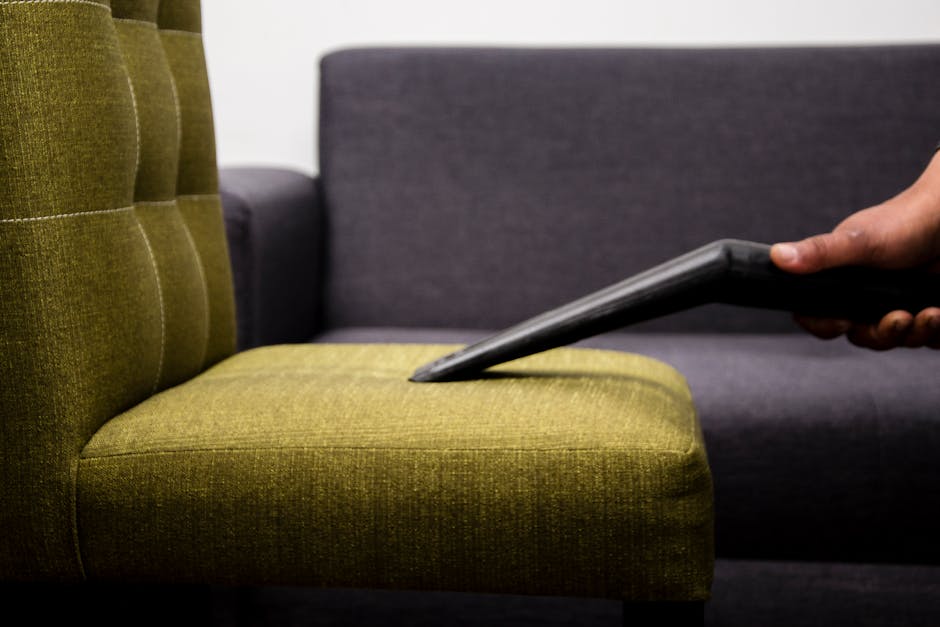
- dry soil removal with vacuuming and upholstery tools
- spot treatment for specific stains
- pre-spraying or gentle fibre-safe solution application
- light agitation with a brush or cloth where suitable
- controlled extraction or low-moisture cleaning
- careful drying to reduce water marks and mildew risk
The challenge is not just removing the visible stain. It is avoiding residue, tide marks, shrinkage, and texture changes. A sofa can look clean and still feel sticky if detergent is left behind. That residue attracts dirt, which means the problem comes back faster. Nobody wants that loop.
Some situations call for upholstery-specific cleaning rather than a general house clean. If your sofa is part of a broader refresh, it can make sense to pair it with upholstery cleaning or sofa cleaning so the treatment matches the material and the level of soiling.
Key Benefits and Practical Advantages
Good sofa cleaning gives you more than a nicer-looking seat. It can change how the whole room functions and feels. Here are the main benefits people actually notice day to day:
- Better appearance: marks, dull patches, and uneven discolouration are reduced.
- Freshness: lingering smells from food, pets, and everyday use are lifted.
- Longer fabric life: removing abrasive dirt helps reduce fibre wear.
- Improved hygiene: upholstery can trap dust, skin flakes, and allergens.
- Better resale or rental presentation: especially useful before viewings or inventory checks.
- Less stress over accidents: once you know a stain has been properly treated, the room feels less awkward somehow.
There is a practical comfort benefit too. A clean sofa invites people to sit down and relax instead of hovering nervously around the edge. In a family home, that matters. In a rented flat, it matters even more because fabric condition can affect how the property is judged at the end of a tenancy.
If you are comparing broader cleaning support, the same company might also help with carpet cleaning, rug cleaning, or window cleaning, which can be useful when you want the whole room to feel genuinely refreshed rather than partially improved.
Who This Is For and When It Makes Sense
Turnham Green sofa cleaning and stain removal in Chiswick is useful for all sorts of households and businesses, but it is especially relevant if one of these sounds familiar:
- You have children, and snacks seem to end up everywhere.
- You live with pets and the sofa has become a favourite nap zone.
- You are moving in or out and want the place to look properly cared for.
- You have a fabric sofa with visible spots, patchiness, or an odour problem.
- You entertain often and want the living room to look presentable.
- You tried a DIY stain remover and things got a little worse. Happens more often than people admit.
It also makes sense after illness in the home, after a house party, or following an accidental spill that has soaked below the surface. A splash on the cushion cover is one thing. A liquid that reached the filling is another. If you can smell the spill before you can see it, it may need deeper treatment.
For some homes, sofa cleaning is part of routine maintenance. For others, it is a rescue mission. Either is fine. There is no prize for waiting until the upholstery looks tired enough to be a warning sign.
Step-by-Step Guidance
If you are tackling a stain yourself before arranging professional help, take it slowly. Here is a sensible process that protects the fabric and improves your chances of success.
- Check the care label. Look for cleaning codes or fabric instructions. If the label is missing, assume caution.
- Vacuum first. Remove loose dust and crumbs so you are not grinding grit into the fabric.
- Blot, don't rub. Use a clean white cloth or paper towel and lift the spill gently.
- Test a hidden area. Try any solution on a small, unseen patch before applying it more widely.
- Use the right product for the stain. Water-based spills, grease, and dye stains each need a different approach.
- Apply minimally. Too much liquid can spread the mark or soak into the padding.
- Work from the outside in. This helps stop the stain from blooming outward.
- Rinse lightly if needed. Residue is a common reason marks reappear.
- Dry properly. Open windows where possible, use gentle airflow, and avoid sitting on the area until fully dry.
For fabric sofas, a little patience goes a long way. A stain that looks awful at first glance may fade significantly with careful treatment. A stubborn one may not shift fully on the first pass. That does not necessarily mean failure. It just means the fibre needs a second, gentler attempt rather than a more aggressive one.
And if the upholstery is delicate, patterned, or expensive, it may be better to stop early and bring in a specialist. Better a small untreated mark than a stretched, faded, or water-ringed patch across the front of the sofa. Yes, the irony is real.
Expert Tips for Better Results
These are the small details that often separate a decent result from a really good one.
- Act quickly, but not recklessly. Speed helps with fresh spills, but panic usually spreads the stain.
- Use white cloths only. Coloured cloths can transfer dye when damp.
- Keep the moisture controlled. Over-wetting is one of the biggest causes of tide marks.
- Treat the cause, not just the mark. An odour often means residue has soaked deeper than the surface.
- Don't forget the cushions. Rotate them if possible so wear stays even.
- Consider the room temperature. A warm, well-ventilated room helps drying far more than people think.
- Use the vacuum regularly. Dry soil is abrasive. It quietly wears fabric down, bit by bit.
One practical tip many people miss: check the arms and headrest even if the visible stain is on the seat. Those areas often contain skin oils and grime that build up gradually, and they can make the whole sofa look old before its time.
If you are already planning a more complete home refresh, services like house cleaning or home cleaners can help with the surrounding dust and clutter so upholstery work does not get undone by the rest of the room.
Common Mistakes to Avoid
A lot of sofa damage happens during well-meant DIY cleaning. Here are the classic mistakes.
- Rubbing the stain hard: this pushes it deeper and can roughen the pile.
- Using bleach or harsh multi-surface cleaners: they may lighten the fabric or damage fibres.
- Skipping the test patch: never a good idea, even if you are in a rush.
- Pouring product directly onto the sofa: it often causes spreading and over-wetting.
- Using too much detergent: residue attracts new dirt.
- Ignoring drying time: damp upholstery can smell stale and stay vulnerable longer.
- Assuming all stains are the same: grease, wine, ink, and pet accidents need different handling.
One especially common mistake in busy homes is waiting for "the right time" to clean the sofa, which usually means the stain gets older and harder. If you spill something tonight, deal with the basics tonight. Even a simple blot and air-dry can make tomorrow's job much easier.
Also, please do not attack velvet with kitchen roll and enthusiasm alone. That way lies sadness.
Tools, Resources and Recommendations
You do not need a cupboard full of specialist gear to handle everyday upholstery care. A few sensible tools cover most situations.
- a vacuum cleaner with an upholstery attachment
- clean white microfibre cloths
- soft brushes for gentle agitation
- lukewarm water in a small amount, if the fabric allows
- a fabric-safe upholstery cleaning product
- paper towels for fresh spill control
- fans or open windows to improve drying
For more involved cleaning, professional equipment can make a real difference. Controlled extraction systems, fibre-safe detergents, and moisture management tools are designed to clean more deeply without flooding the fabric. That matters on larger sofas, modular seating, and heavily used pieces in open-plan Chiswick homes where the sofa tends to sit right in the middle of daily life.
If you are looking for broader service options, it can help to compare a trusted cleaning company, cleaners, and more specialist upholstery options such as carpet cleaner support when the whole room needs attention.
Law, Compliance, Standards, or Best Practice
Sofa cleaning is not heavily regulated in the way some trades are, but sensible practice still matters. In the UK, good cleaning providers are expected to work carefully, use products responsibly, and follow reasonable health and safety measures. If they are entering your home, carrying equipment, or using electrical machinery, you should expect them to take basic precautions seriously.
That usually includes things like:
- clear communication about cleaning methods and limitations
- appropriate insurance for public liability and accidental damage
- safe handling of cleaning agents and equipment
- respect for manufacturer care instructions where available
- honest advice if a stain is likely to be permanent
Best practice also means transparency. If a fabric is at risk of colour loss, shrinkage, or water marking, a responsible cleaner should say so before starting. No vague promises, no magical thinking. Some stains can be improved a lot; others can only be reduced. A trustworthy service explains that upfront.
If you are comparing providers, it is sensible to review practical pages like insurance and safety, health and safety policy, and terms and conditions. For payment confidence, payment and security is another helpful check. Not glamorous reading, admittedly, but useful.
Options, Methods, or Comparison Table
Different cleaning methods suit different situations. Here is a simple comparison to help you decide what makes sense.
| Method | Best for | Advantages | Watch-outs |
|---|---|---|---|
| Light DIY spot cleaning | Fresh small spills on suitable fabrics | Quick, inexpensive, easy to try | Risk of spreading, over-wetting, or residue |
| Upholstery shampooing | General soil and mild staining | Can improve appearance across the whole sofa | May leave moisture behind if not controlled well |
| Low-moisture professional cleaning | Delicate fabrics and routine refreshes | Faster drying, better fibre protection | Not ideal for every type of embedded stain |
| Targeted stain treatment | Specific spots like wine, ink, grease, or pet marks | More precise and less invasive | Needs correct stain identification |
| Full professional upholstery clean | Heavy use, mixed stains, or large family sofas | Deepest overall refresh, more consistent finish | Usually takes longer and may cost more |
As a rule, the more delicate the fabric, the more careful the method should be. If you are unsure whether the sofa is safe for wet cleaning, a targeted inspection is wiser than guessing. It sounds obvious, but people do guess. A lot.
Case Study or Real-World Example
A common Chiswick scenario goes like this: a family sofa in a busy sitting room has picked up a mix of everyday marks. There is a coffee ring on one cushion, a faint grease mark near the arm, and a darker patch where the dog likes to curl up after rainy walks. None of it is dramatic on its own. Together, though, the sofa has started to look tired.
In a practical clean, the first step is usually to identify the fabric and check the stain history. The coffee mark may respond to a controlled water-based treatment. The grease mark needs a different approach, because oil and water do not behave the same way. The pet area may need deodorising and a more thorough extraction so the odour does not linger in the padding.
What often surprises people is how much the room changes after the sofa is treated. The fabric looks closer to its original tone, the smell in the room feels lighter, and the sofa stops drawing attention to itself. That is the goal, really. It should feel like the furniture has quietly returned to normal.
We have seen the same thing after late-afternoon cleans when the light is coming through the window and every mark seems to show up. Once the job is done, the difference is obvious. Not magical. Just good, careful work.
Practical Checklist
Use this quick checklist before, during, or after sofa cleaning.
- Check the upholstery care label.
- Vacuum the sofa thoroughly.
- Identify the stain type before using any product.
- Test in a hidden area.
- Blot gently rather than rubbing.
- Use minimal liquid.
- Keep clean cloths on hand and swap them as soon as they become dirty.
- Allow plenty of drying time.
- Rotate cushions if possible.
- Stop if the fabric begins to change colour or texture.
- Consider professional help for delicate, expensive, or heavily stained sofas.
- Ask for clear aftercare guidance before the clean finishes.
If you can tick most of those off, you are already ahead of the average DIY attempt. Small steps, properly done, usually beat a rushed deep scrub.
Conclusion
Turnham Green sofa cleaning and stain removal in Chiswick is really about protecting one of the most used items in your home while bringing back comfort, freshness, and a bit of visual calm. The best results come from knowing the fabric, treating stains carefully, and choosing the right method for the job rather than the fastest-looking one.
Whether you are dealing with a fresh spill, a recurring mark, or a sofa that just looks a bit flat and worn, a careful clean can make a noticeable difference. And if the fabric is delicate or the stain is stubborn, there is no shame in getting support from a specialist. Quite the opposite. That is usually the smart move.
For a fuller refresh, you may also want to consider related services such as sofa cleaning, upholstery cleaning, or deep cleaning so the room feels consistently cared for, not half-finished. Little details matter. They really do.
Get a free quote today and see how much you can save.
Frequently Asked Questions
How often should I book sofa cleaning in Chiswick?
For most homes, a professional sofa clean once or twice a year is a sensible rhythm, but busy households with children, pets, or heavy daily use may need it more often. If the fabric starts looking dull, feeling sticky, or holding odours, it is probably due sooner.
Can all sofa stains be removed completely?
Not always. Fresh stains are usually easier to improve than old ones, and some dyes or heat-set marks may be permanent. A good cleaner should explain what is likely to improve, what may remain faint, and what should not be promised too confidently.
Is steam cleaning safe for every type of upholstery?
No. Steam or hot-water methods are not suitable for every fabric, especially delicate materials, certain blends, and some natural fibres. The care label and a fabric test matter more than the marketing terms. Always check before using heat.
What should I do immediately after spilling something on the sofa?
Blot the spill gently with a clean white cloth, work from the outside in, and avoid rubbing. Then let the area dry and check the care label before applying anything else. A quick, calm response usually helps more than a frantic scrub.
Can I use washing-up liquid on sofa stains?
Sometimes a diluted solution may be used carefully on suitable fabrics, but it is not a universal fix. Too much soap can leave residue and attract dirt later. On delicate upholstery, it is safer to use a product designed for fabric cleaning or get advice first.
Why does my sofa get water marks after cleaning?
Water marks often appear when too much moisture is used, when the fabric dries unevenly, or when residue is left behind. Controlled application, proper rinsing, and good drying airflow all help reduce the risk. It is one of those jobs where less can be more.
Do pet stains need special treatment?
Yes, usually. Pet accidents can affect both the visible mark and the smell, and the liquid may reach deeper into the cushion filling. That means deodorising and deeper extraction may be needed, not just surface cleaning.
How long does a sofa take to dry?
Drying time depends on fabric, room ventilation, cleaning method, and how much moisture was used. Some upholstery dries relatively quickly, while thicker cushions or low-airflow rooms can take longer. Good airflow helps a lot.
Is sofa cleaning worth it before moving out of a property?
Usually yes, especially if the sofa is part of the inventory or will be inspected. Even if the piece is staying, cleaner upholstery can make the whole property look better cared for. That can be a useful part of a move-out clean.
How do I know if I need a professional instead of DIY?
If the fabric is delicate, the stain is old or unknown, the sofa is expensive, or previous DIY attempts have already made things worse, professional help is usually the safer choice. If you are hesitating, that is often your answer.
Can sofa cleaning help remove bad smells as well as stains?
Yes, in many cases. Odours from spills, pets, and everyday use can be reduced when the source is properly treated and the upholstery is cleaned thoroughly. If a smell keeps returning, it may mean the issue is deeper in the filling.
What makes Turnham Green sofa cleaning and stain removal in Chiswick different from general cleaning?
Upholstery care is more fabric-sensitive than general dusting or surface cleaning. The method has to suit the material, the stain, and the sofa's condition. A one-size-fits-all approach is where problems usually start.